Cross-Platform Play Becomes the Standard: Gaming’s Walls Have Finally Fallen
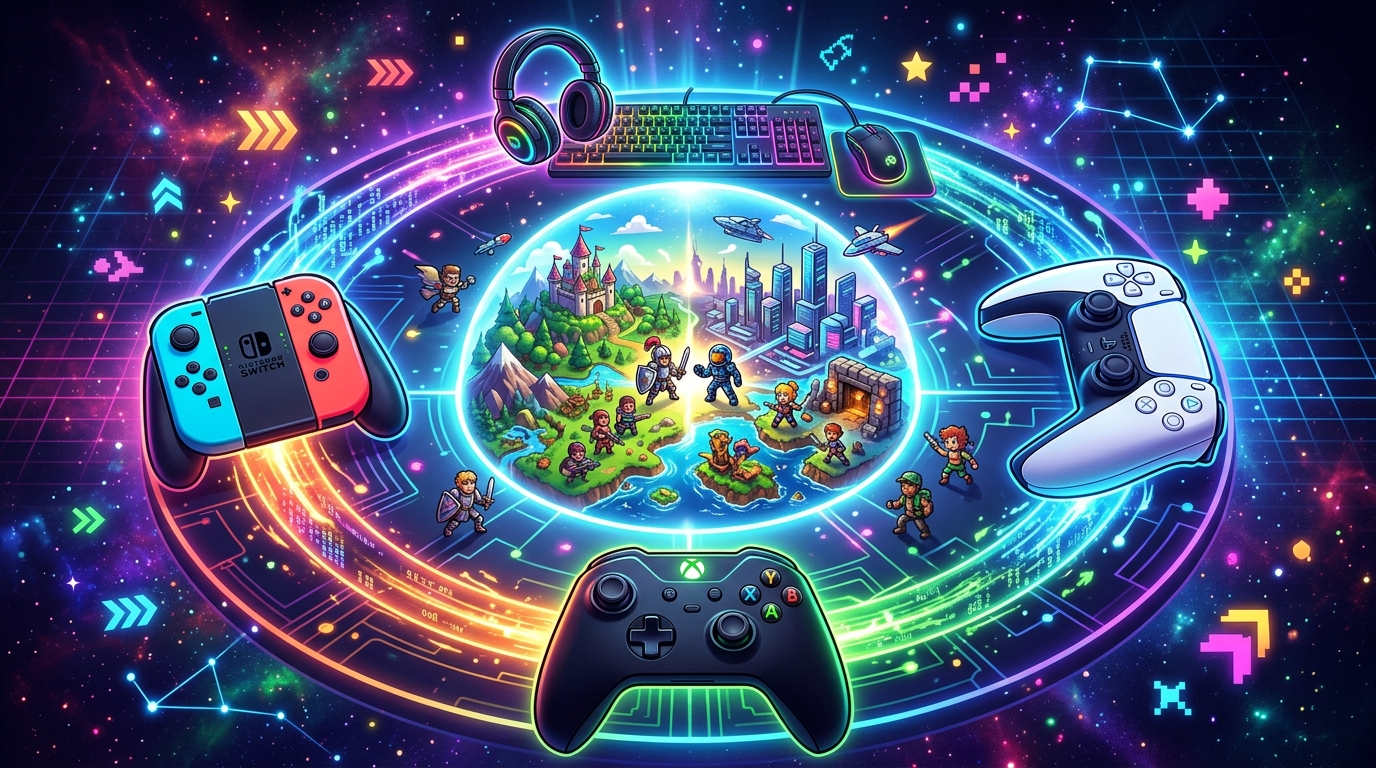
Cross-platform play has quietly become the default standard across every major gaming platform in 2026. Sony, Microsoft, Nintendo, and PC storefronts now support cross-platform multiplayer in the majority of new online titles, ending an era of fragmentation where your choice of hardware determined who you could play with. The holdouts have fallen, and the gaming industry is better for it.
How We Got Here
The cross-play revolution started slowly. Fortnite forced the issue in 2018 when Epic Games enabled cross-play between PlayStation, Xbox, Switch, PC, and mobile — over Sony’s initial objections. The game’s massive player base made cross-play a competitive necessity rather than a nice-to-have feature. By 2020, Rocket League, Call of Duty: Warzone, and Minecraft had joined, creating consumer expectations that every multiplayer game should work across platforms.
Sony, historically the most resistant to cross-play due to its dominant market position, fully reversed course in 2024. PlayStation now supports cross-play in all first-party multiplayer titles, including the latest entries in franchises like Gran Turismo, Horizon, and Helldivers. The about-face was driven by two factors: competitive pressure from Xbox’s cross-play-first strategy, and data showing that PlayStation users who could play with friends on other platforms had 40% higher engagement and 25% higher spending on in-game content.
What Cross-Play Looks Like in 2026
The typical experience in a modern multiplayer game: you log in on PlayStation, your friend is on Xbox, another is on PC, and a fourth is on Switch 2. Everyone joins the same lobby, voice chat works natively across platforms, and the game handles input-based matchmaking behind the scenes (controller players are grouped together, keyboard-mouse players in their own pool, with options to opt into mixed lobbies).
Account systems have unified as well. Most major publishers now offer cross-platform accounts where your purchases, progress, and unlocks follow you across devices. Buy a skin in Fortnite on your PlayStation, and it shows up on your PC and phone. Progress through a season pass in Destiny 3 on Xbox, and pick up where you left off on your Steam Deck. This seamlessness removes the last friction point that made platform switching feel costly.
Impact on the Market
Cross-play fundamentally changes how consumers evaluate gaming hardware. When the choice of console no longer determines who you can play with, the purchase decision shifts to factors like exclusive single-player games, hardware features, subscription value (Game Pass vs PS Plus vs Nintendo Online), and controller preference. This is good for consumers but challenging for platform holders who historically used online multiplayer lock-in as a retention tool.
For game developers, cross-play means larger player pools and longer game lifespans. Fighting games, racing games, and niche multiplayer titles that previously struggled to maintain active communities on each individual platform now combine all players into a single pool. This keeps matchmaking fast and communities viable even for games with smaller audiences — a win for genres that depend on consistent player availability.
Key Aspects
This topic encompasses multiple important dimensions that affect businesses and individuals alike. Understanding each aspect provides valuable perspective on the broader implications.
Market Impact
- Growing adoption across industries
- Significant investment and innovation
- Competitive advantages for early adopters
- New business opportunities emerging
Challenges and Considerations
Implementation requires addressing multiple challenges including technical complexity, organizational readiness, and skill requirements. Success requires commitment to both planning and execution.
Success Factors
Organizations that succeed typically combine strong leadership, adequate resource allocation, clear objectives, and iterative improvement. They also maintain focus on measurable outcomes and ROI.
Looking Ahead
As this technology matures and becomes more mainstream, new opportunities and challenges will emerge. Staying informed and proactive positions organizations for success.
Practical Next Steps
Start by assessing your current position, identifying quick wins, and building momentum. Use early successes to secure support for broader initiatives and organizational change.