Google Antitrust Ruling Could Force Chrome Browser Sale: What Happens Next
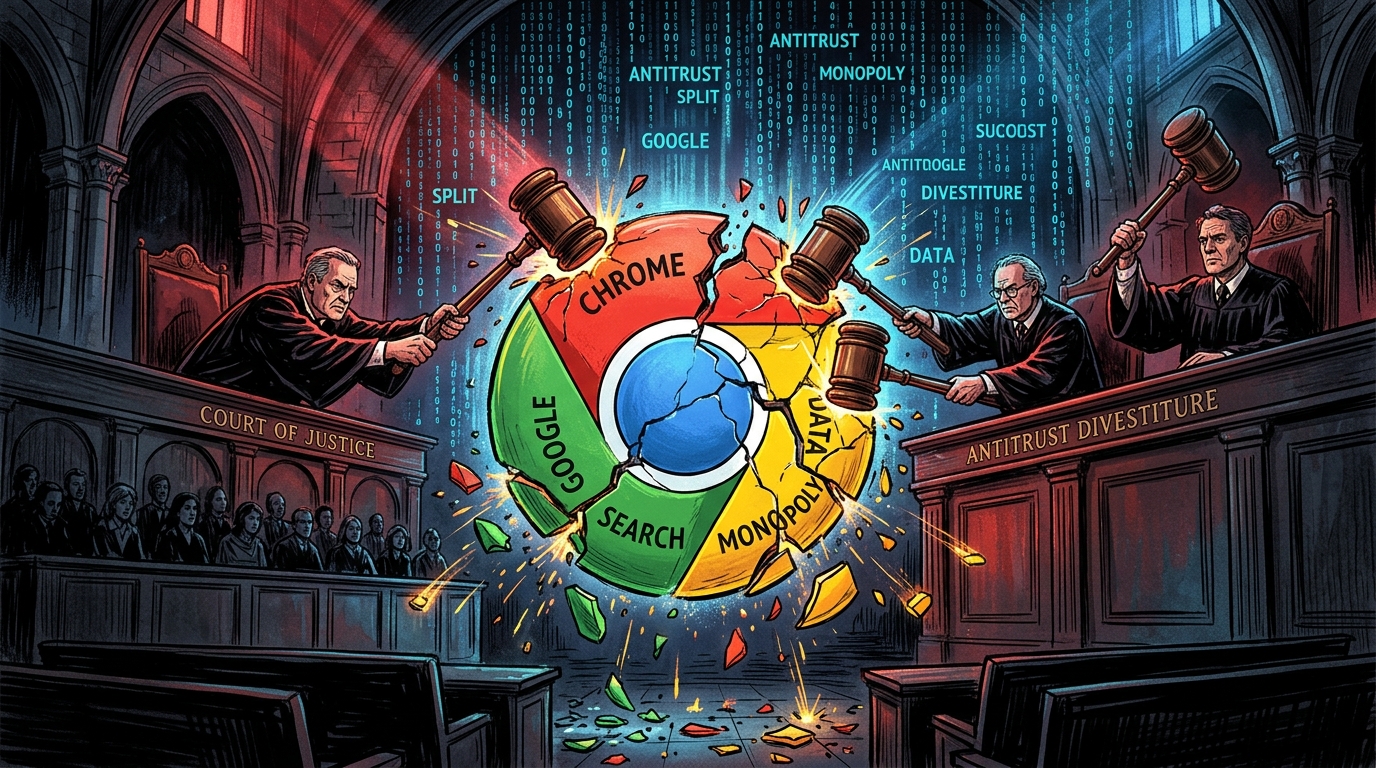
The Google antitrust ruling that could force the sale of Chrome browser just got more complicated. A federal judge ruled in August 2025 that Google holds an illegal monopoly in online search, and the Department of Justice proposed in January 2026 that Google should be required to divest Chrome as a structural remedy. Hearings are now underway, and the outcome could reshape how billions of people access the internet.
Why Chrome Matters
Chrome controls 65% of the global browser market. For Google, the browser isn’t just a product — it’s the primary pipeline through which users reach Google Search, which generates the majority of Alphabet’s $307 billion annual revenue. Chrome’s default search setting, default homepage, and integration with Google services create an ecosystem that makes Google Search the path of least resistance for 3.5 billion Chrome users worldwide.
The DOJ argues that this browser-search integration creates a self-reinforcing monopoly: Chrome directs users to Google Search, Google Search revenue funds Chrome development, and Chrome’s superior developer resources and features maintain its market share advantage over competitors. Breaking this cycle, the DOJ contends, requires separating Chrome from Google’s search business.
Google’s Defense
Google has pushed back aggressively, calling the proposed Chrome divestiture “radical and unprecedented.” The company argues that users choose Chrome because it’s the best browser available — faster, more secure, and better integrated with web standards than alternatives. Google also warns that forcing a Chrome sale could compromise browser security, since Google’s threat detection infrastructure currently protects Chrome users from phishing, malware, and zero-day exploits.
Technically, a Chrome divestiture would be enormously complex. Chrome shares code and infrastructure with ChromeOS (used by millions of Chromebook users), Android’s WebView component, and numerous internal Google tools. Separating Chrome into a standalone company would require untangling years of integrated development — a process Google estimates would take 3-5 years and cost billions.
Potential Buyers and Outcomes
If Chrome must be sold, potential buyers face a peculiar challenge: the browser itself generates minimal direct revenue. Its value lies entirely in the search and advertising defaults it enables. Rumored interested parties include OpenAI (seeking a distribution channel for ChatGPT-powered search), a consortium of browser competitors including Mozilla and Brave, and private equity firms eyeing the ad-revenue potential from Chrome’s default search agreement, which currently pays Apple $20+ billion annually for Safari defaults.
An alternative outcome is a behavioral remedy rather than a structural one — the judge could require Google to offer a meaningful browser choice screen on all Android devices and Chromebooks, end default search agreements, and open Chrome’s underlying Chromium project to independent governance. This approach would address competitive concerns without the complexity and risk of a full divestiture. The final ruling is expected by late 2026, and whatever happens will set precedent for tech antitrust enforcement for decades.
Key Aspects
This topic encompasses multiple important dimensions that affect businesses and individuals alike. Understanding each aspect provides valuable perspective on the broader implications.
Market Impact
- Growing adoption across industries
- Significant investment and innovation
- Competitive advantages for early adopters
- New business opportunities emerging
Challenges and Considerations
Implementation requires addressing multiple challenges including technical complexity, organizational readiness, and skill requirements. Success requires commitment to both planning and execution.
Success Factors
Organizations that succeed typically combine strong leadership, adequate resource allocation, clear objectives, and iterative improvement. They also maintain focus on measurable outcomes and ROI.
Looking Ahead
As this technology matures and becomes more mainstream, new opportunities and challenges will emerge. Staying informed and proactive positions organizations for success.
Practical Next Steps
Start by assessing your current position, identifying quick wins, and building momentum. Use early successes to secure support for broader initiatives and organizational change.