Global Chip Shortage Finally Easing: What It Means for Prices and Supply Chains
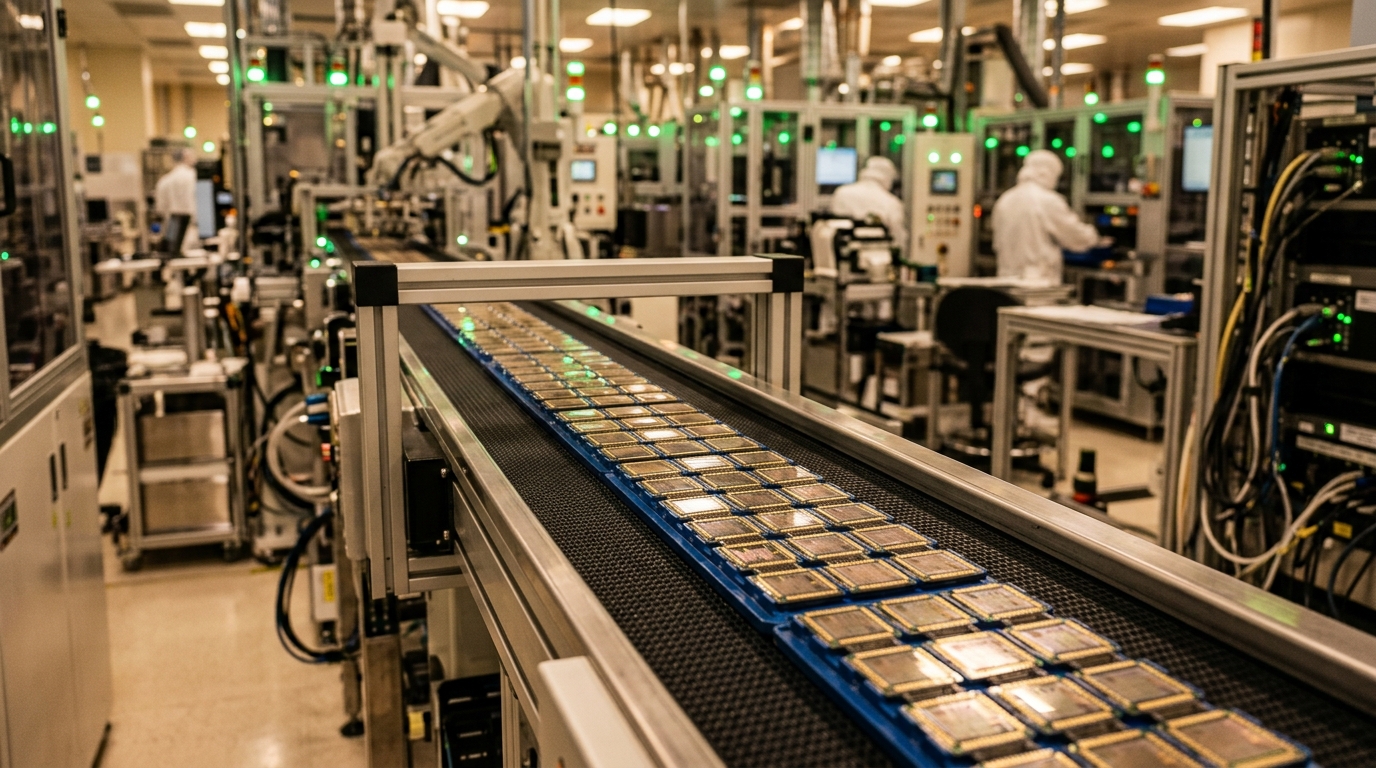
The global semiconductor shortage that disrupted every industry from automotive to gaming for over three years has finally eased to manageable levels. Global chip production capacity increased by 15% in 2025, and lead times for most semiconductor components have returned to pre-pandemic norms of 8-12 weeks — down from the 26-52 week waits that plagued manufacturers through 2022 and 2023.
Why the Shortage Ended
The easing results from massive factory investments that are now coming online. Over $500 billion in new semiconductor fabrication facilities were announced globally between 2021 and 2024, and the first wave of those factories began production in 2025. TSMC’s Arizona Fab 21 started producing 4nm chips in late 2025. Samsung’s Taylor, Texas facility achieved volume production of 5nm chips in early 2026. Intel’s fab in Magdeburg, Germany is scheduled to open later this year.
At the same time, demand normalized. The pandemic-driven surge in PC, gaming hardware, and consumer electronics purchases created artificial demand spikes that have since corrected. PC shipments have stabilized at 260 million units annually — healthy but not the panic-buying levels of 2020-2021. Smartphone shipments remain steady at 1.2 billion units per year.
What It Means for Prices
Consumers are already seeing benefits. Graphics card prices have returned to or below MSRP for the first time since 2020. The NVIDIA RTX 5070, launched at $549 MSRP, is readily available at retail — a stark contrast to the RTX 30 series, which sold at 2-3x MSRP during shortage-driven scalper markets. Gaming consoles are consistently in stock. New car inventory has recovered to pre-pandemic levels, and the $5,000-$10,000 “market adjustments” that dealerships charged during peak shortage have largely disappeared.
For businesses, server and networking equipment delivery times have shortened dramatically. Companies that waited 12+ months for network switches and server hardware during the shortage can now receive orders within weeks. Cloud providers have resumed aggressive expansion, adding data center capacity that was delayed during the shortage years.
Structural Shifts That Remain
The shortage permanently changed the semiconductor industry’s geographic landscape. Before the pandemic, 92% of the world’s most advanced chips were manufactured in Taiwan by TSMC. The concentration risk — particularly given geopolitical tensions involving China — drove a global push to diversify production. By 2028, an estimated 20% of leading-edge chip production will occur outside Asia, primarily in the US (Arizona, Ohio, New York) and Europe (Germany, Ireland, France).
Companies have also built larger component inventories than before. The “just-in-time” supply chain philosophy that minimized warehouse costs but left no buffer against disruption has given way to “just-in-case” strategies with 30-90 days of critical component stockpiles. This adds costs but provides resilience against future supply shocks — whether from pandemics, natural disasters, or geopolitical events.
Auto manufacturers, the industry hardest hit by the shortage (losing an estimated $210 billion in revenue over three years), have fundamentally changed how they source chips. Major automakers including Toyota, Volkswagen, and GM have signed direct supply agreements with chip foundries — bypassing the Tier 1 and Tier 2 suppliers that previously managed semiconductor procurement. Some are even co-investing in dedicated production capacity to guarantee future supply.
How This Technology Works
The underlying mechanisms of this technology have evolved significantly. Modern implementations leverage advanced algorithms and machine learning patterns to deliver results at scale.
Key Benefits and Use Cases
- Enterprise-level scalability and performance
- Real-world applications across multiple industries
- Cost-effectiveness compared to traditional approaches
- Future-proof architecture for emerging needs
Challenges and Limitations
While promising, current implementations face several hurdles including integration complexity, resource requirements, and the need for specialized expertise. Organizations must carefully evaluate their readiness before implementation.
What’s Next?
The trajectory suggests continued innovation and adoption. Industry experts predict significant advancements in the coming years as technology matures and becomes more accessible to organizations of all sizes.
Conclusion
Global Chip Shortage Finally Easing: What It Means for Prices and Supply Chains represents an important milestone in technological evolution. As the landscape continues to shift, staying informed about these developments will be crucial for businesses and professionals alike.