India Becomes the World’s Third-Largest Technology Market
India has officially surpassed Japan and Germany to become the world’s third-largest technology market by revenue, trailing only the United States and China. The Indian tech sector generated $285 billion in revenue in fiscal year 2025-26, with domestic consumption of technology products and services growing at 18% annually — the fastest rate among major economies.
What’s Driving India’s Tech Growth
Three structural trends explain the acceleration. First, India’s digital payments infrastructure is arguably the world’s most advanced. The Unified Payments Interface (UPI) processed 18 billion transactions per month in early 2026, with a total annual volume exceeding $2.5 trillion. This digital foundation has enabled entire industries — e-commerce, food delivery, ride-hailing, micro-lending — to scale faster in India than in markets still dependent on credit cards and bank transfers.
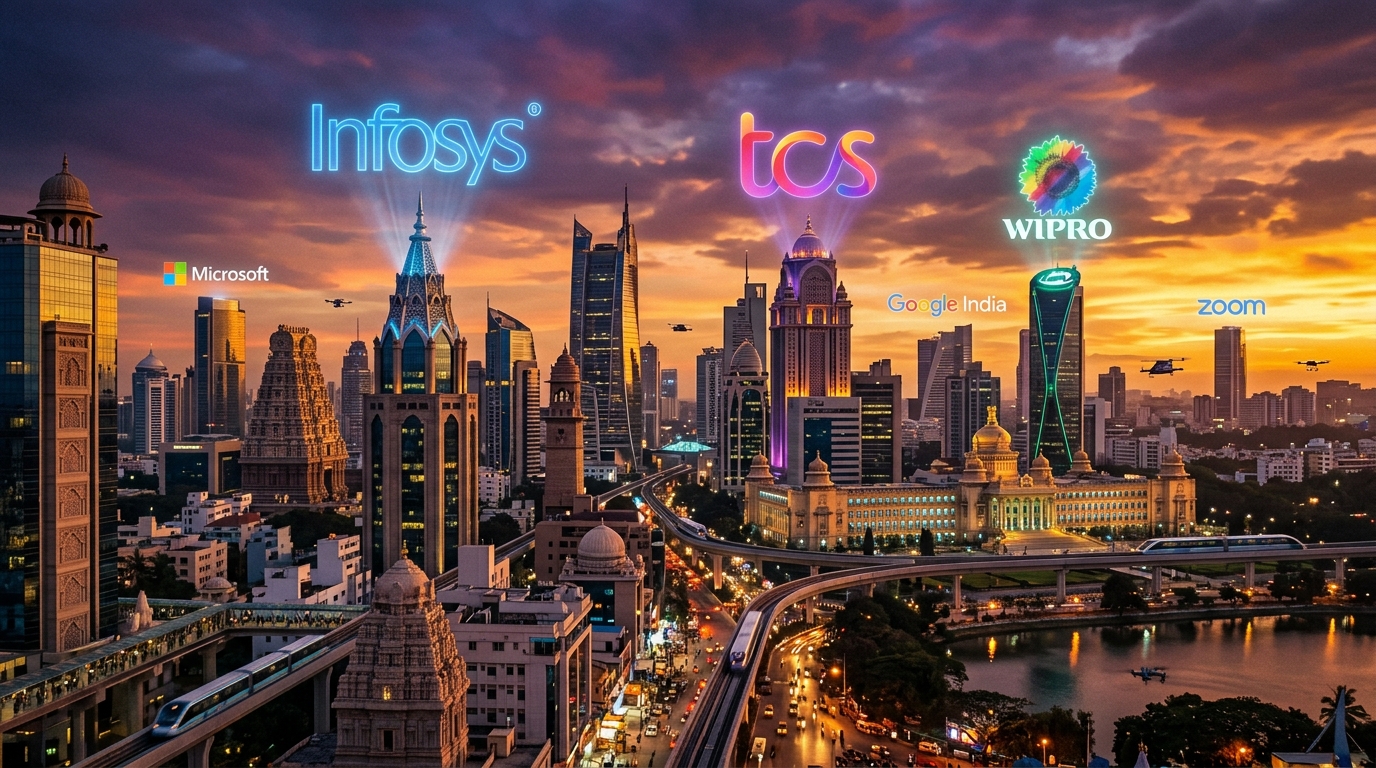
Second, India’s software services industry continues to grow, with companies like TCS, Infosys, Wipro, and HCLTech collectively employing over 5 million knowledge workers and adding AI capabilities to their offerings. India’s IT services exports alone accounted for $180 billion — but the more significant shift is that domestic enterprise spending on technology is now growing faster than exports for the first time, indicating a maturing internal market.
Third, a startup ecosystem that has produced 118 unicorns (private companies valued at $1 billion or more) is creating homegrown technology products rather than just outsourced services. Companies like Zerodha (fintech), Razorpay (payments), Zoho (SaaS), and Freshworks (customer service software) now compete globally with US-based alternatives, often with pricing that makes them more attractive in emerging markets across Southeast Asia, the Middle East, and Africa.
AI as an Accelerator
India is positioning itself as a key player in the global AI economy. The government’s INDIAai initiative has committed $1.25 billion to AI research infrastructure, including building public AI compute clusters accessible to startups and researchers. Indian AI startups raised $3.2 billion in 2025, focused on areas where India has natural advantages: multilingual AI (serving 22 official languages), agricultural AI (for 150 million farming families), and healthcare AI (for a population of 1.4 billion with limited specialist access).
The talent pipeline is massive. India produces over 1.5 million engineering graduates annually, and Indian professionals lead or co-lead major AI initiatives at Google, Microsoft, OpenAI, and other global tech companies. The challenge is retaining top talent domestically — a problem that’s being addressed through improved compensation, vibrant startup opportunities, and quality-of-life improvements in tech hubs like Bengaluru, Hyderabad, and Pune.
Challenges Ahead
Despite the momentum, significant challenges remain. Digital infrastructure in rural India lags urban centers, with only 55% of the population having reliable broadband access. Regulatory uncertainty around data privacy (India’s Digital Personal Data Protection Act is still being implemented) creates hesitation among global companies considering data center investments. And while the quantity of engineering talent is world-leading, industry leaders consistently note that quality assurance and practical skills gaps mean only a fraction of graduates are immediately employable in cutting-edge roles.
Key Aspects
This topic encompasses multiple important dimensions that affect businesses and individuals alike. Understanding each aspect provides valuable perspective on the broader implications.
Market Impact
- Growing adoption across industries
- Significant investment and innovation
- Competitive advantages for early adopters
- New business opportunities emerging
Challenges and Considerations
Implementation requires addressing multiple challenges including technical complexity, organizational readiness, and skill requirements. Success requires commitment to both planning and execution.
Success Factors
Organizations that succeed typically combine strong leadership, adequate resource allocation, clear objectives, and iterative improvement. They also maintain focus on measurable outcomes and ROI.
Looking Ahead
As this technology matures and becomes more mainstream, new opportunities and challenges will emerge. Staying informed and proactive positions organizations for success.
Practical Next Steps
Start by assessing your current position, identifying quick wins, and building momentum. Use early successes to secure support for broader initiatives and organizational change.