Right to Repair Wins Big: 15 More US States Pass Consumer Repair Laws
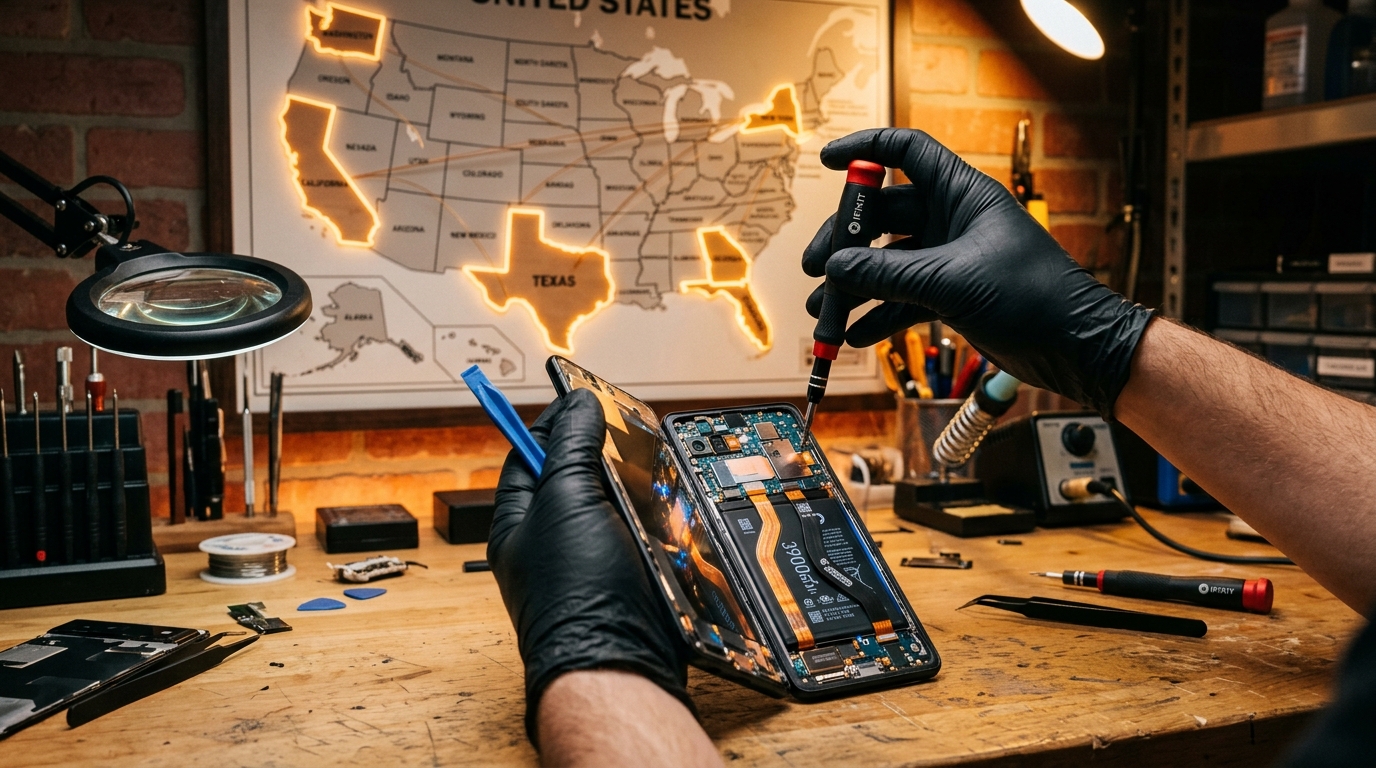
Right-to-repair legislation passed in 15 additional US states during the 2025-2026 legislative cycle, bringing the total to 32 states with some form of repair rights law on the books. The movement, which started with grassroots advocacy from iFixit and independent repair shops, has achieved mainstream political support and is fundamentally changing how tech companies design and sell products.
What the New Laws Require
While specific provisions vary by state, the core requirements have converged around several principles. Manufacturers must make repair parts available to consumers and independent repair shops at fair and reasonable prices. They must provide access to diagnostic tools and software needed to identify and fix problems. Repair manuals and schematics must be published publicly. And manufacturers cannot void warranties solely because a consumer chose an independent repair provider over the manufacturer’s authorized service network.
The newest wave of laws goes further than earlier versions. Colorado and Massachusetts now require manufacturers to support repairability for a minimum of 7 years after a product’s last sale date — preventing the practice of discontinuing parts for older devices to force upgrades. Oregon’s law extends to agricultural equipment, addressing John Deere’s controversial practice of software-locking tractors that farmers own. California’s law, the most comprehensive, covers virtually all consumer electronics and includes penalties of up to $1,000 per violation plus attorney fees, giving enforcement real teeth.
Industry Response
Facing a patchwork of state laws, major manufacturers have shifted strategy from fighting repair rights to implementing nationwide compliance. Apple now sells iPhone and Mac repair parts through its Self-Service Repair program in all 50 states, publishes detailed repair manuals, and recently activated a software-based parts pairing system that allows third-party replacement screens, batteries, and cameras to function without Apple authorization — a reversal of previous policy.
Samsung, Google, and Microsoft have partnered with iFixit to offer official repair kits. John Deere signed a memorandum of understanding with the American Farm Bureau Federation granting farmers and independent mechanics access to diagnostic tools and software previously restricted to authorized dealers. The tide has clearly turned.
Environmental and Economic Impact
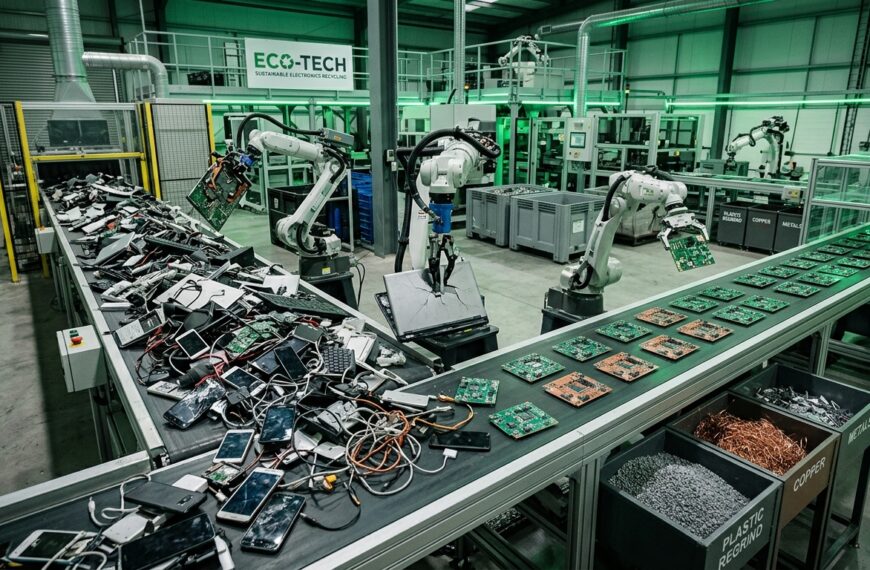
Proponents argue that repair rights reduce e-waste — the US generates 7 million tons of electronic waste annually, with an estimated 40% being devices that could have been repaired and reused. A European Commission study found that extending the average smartphone lifespan by just one year would reduce carbon emissions equivalent to taking 5 million cars off the road annually.
Economically, the independent repair industry employs roughly 500,000 people in the US. Repair advocates estimate that fair access to parts and manuals could grow the sector by 30% over five years, creating jobs in communities where tech manufacturing employment has declined. For consumers, the practical impact is straightforward: fixing a cracked phone screen, a failing laptop battery, or a broken appliance should cost less and be possible for longer.
How This Technology Works
The underlying mechanisms of this technology have evolved significantly. Modern implementations leverage advanced algorithms and machine learning patterns to deliver results at scale.
Key Benefits and Use Cases
- Enterprise-level scalability and performance
- Real-world applications across multiple industries
- Cost-effectiveness compared to traditional approaches
- Future-proof architecture for emerging needs
Challenges and Limitations
While promising, current implementations face several hurdles including integration complexity, resource requirements, and the need for specialized expertise. Organizations must carefully evaluate their readiness before implementation.
What’s Next?
The trajectory suggests continued innovation and adoption. Industry experts predict significant advancements in the coming years as technology matures and becomes more accessible to organizations of all sizes.
Conclusion
Right to Repair Wins Big: 15 More US States Pass Consumer Repair Laws represents an important milestone in technological evolution. As the landscape continues to shift, staying informed about these developments will be crucial for businesses and professionals alike.