Esports Prize Pools Hit $1 Billion in 2025: Competitive Gaming’s Watershed Year
Global esports prize pools crossed a cumulative $1 billion for the first time in a single calendar year in 2025, cementing competitive gaming as a legitimate professional sport with compensation rivaling mid-tier traditional sports leagues. The milestone was driven by expanding tournament ecosystems, publisher investment, and a growing audience that now exceeds 600 million regular viewers worldwide.
The Biggest Prize Pools of 2025
The International (Dota 2) once again led with a $38 million prize pool, though the gap with other esports has narrowed considerably. The League of Legends World Championship offered $12 million. The Fortnite Champion Series distributed $20 million across its season. Counter-Strike 2’s Major circuit collectively awarded $15 million. Valorant’s Champions Tour hit $10 million. And new entrants like the Overwatch Champions Series and EA FC Pro League each offered $5-8 million.
Perhaps more significant than individual tournament prizes is the growth of team salaries and guaranteed contracts. Top-tier esports organizations now pay starting salaries of $200,000-$500,000 to players in premium titles, with star players commanding $1-2 million per year — figures that exclude streaming income, sponsorship deals, and performance bonuses. The professionalization of player compensation has stabilized careers that were previously dependent on tournament winnings alone.
Revenue Beyond Prize Pools
Prize money is actually a small fraction of the total esports economy, which Newzoo estimates at $2.1 billion in 2025. The majority of revenue comes from sponsorship deals ($850 million), media rights ($450 million), merchandise and ticket sales ($280 million), and publisher fees ($320 million). Major brands including Red Bull, BMW, Louis Vuitton, Samsung, and Intel maintain multi-year esports partnerships that rival traditional sports sponsorship commitments.
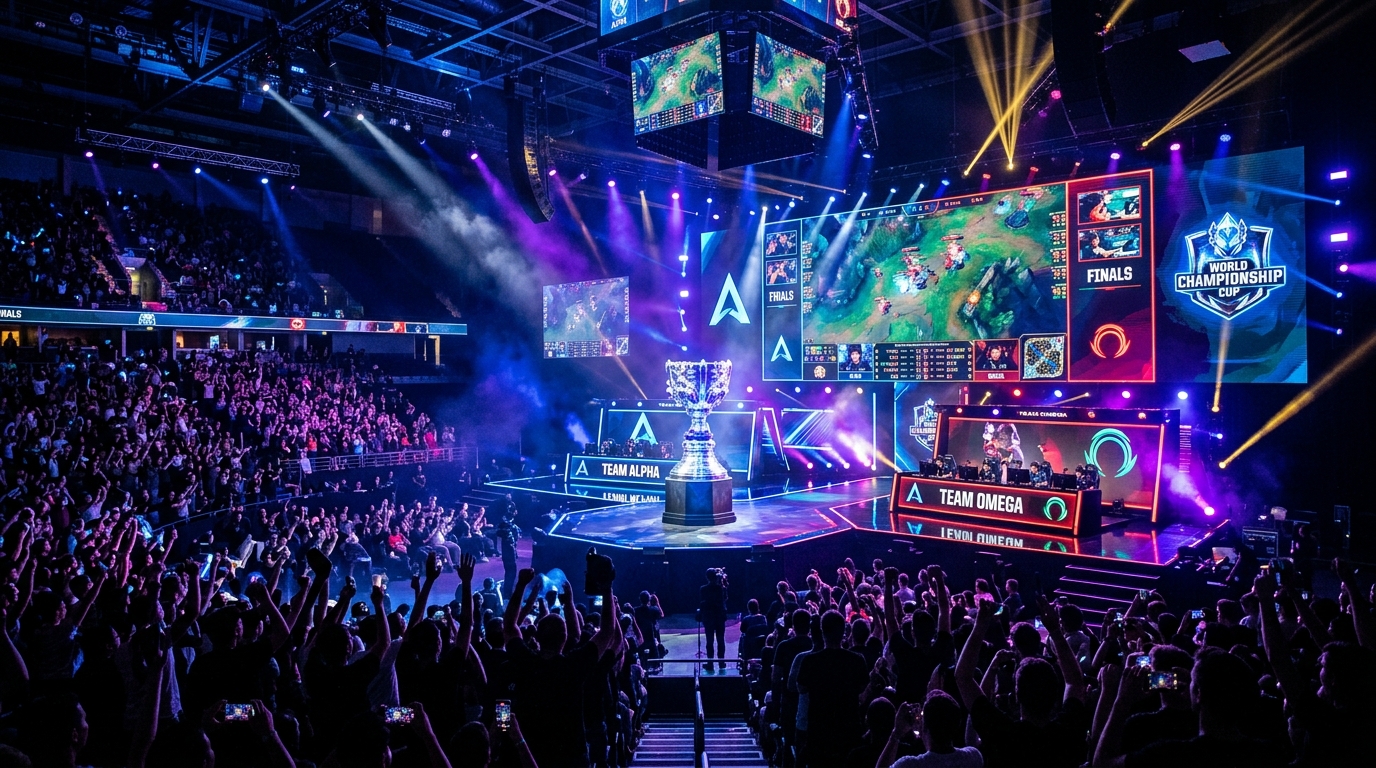
Broadcast distribution has matured significantly. The League of Legends Worlds finals in 2025 drew 82 million peak concurrent viewers — more than the NBA Finals. While total viewership still trails football (soccer) and the Olympics, the 18-34 demographic skew of esports audiences makes it extremely attractive to advertisers targeting younger consumers. YouTube, Twitch, and a growing number of traditional broadcasters (ESPN, Sky Sports, NHK) now air esports events with production quality indistinguishable from traditional sports coverage.
Challenges and Maturation
The esports industry is still working through structural challenges. Player burnout remains pervasive — professional gaming demands 10-14 hour training days, and career spans average just 5-7 years before reflexes and reaction times decline. Unionization efforts have gained traction, with players in several leagues forming associations to negotiate for schedule protections, health insurance, and retirement benefits.
Title longevity is another concern. Unlike football or basketball, esports depend on specific video games that can be replaced by newer titles or altered by publisher updates. Organizations that invested heavily in Overwatch or Apex Legends teams faced uncertainty when player interest shifted. The most sustainable esports — League of Legends, Dota 2, Counter-Strike — have maintained relevance for over a decade, but there’s no guarantee that any game will remain competitively viable indefinitely. The industry is increasingly building infrastructure (arenas, training facilities, broadcast partnerships) that’s game-agnostic, hedging against title-specific risk.
Key Aspects
This topic encompasses multiple important dimensions that affect businesses and individuals alike. Understanding each aspect provides valuable perspective on the broader implications.
Market Impact
- Growing adoption across industries
- Significant investment and innovation
- Competitive advantages for early adopters
- New business opportunities emerging
Challenges and Considerations
Implementation requires addressing multiple challenges including technical complexity, organizational readiness, and skill requirements. Success requires commitment to both planning and execution.
Success Factors
Organizations that succeed typically combine strong leadership, adequate resource allocation, clear objectives, and iterative improvement. They also maintain focus on measurable outcomes and ROI.
Looking Ahead
As this technology matures and becomes more mainstream, new opportunities and challenges will emerge. Staying informed and proactive positions organizations for success.
Practical Next Steps
Start by assessing your current position, identifying quick wins, and building momentum. Use early successes to secure support for broader initiatives and organizational change.