AI-Powered NPCs Are Making Open World Games Feel Truly Alive
AI-powered non-player characters are transforming open world games from predictable theme parks into living, reactive worlds. Several major studios have integrated large language models into NPC behavior systems, creating characters that can hold unscripted conversations, form memories of player actions, and dynamically alter their behavior based on the evolving game world. The shift represents the biggest change in game design since the introduction of physics engines.
How AI NPCs Work in Practice
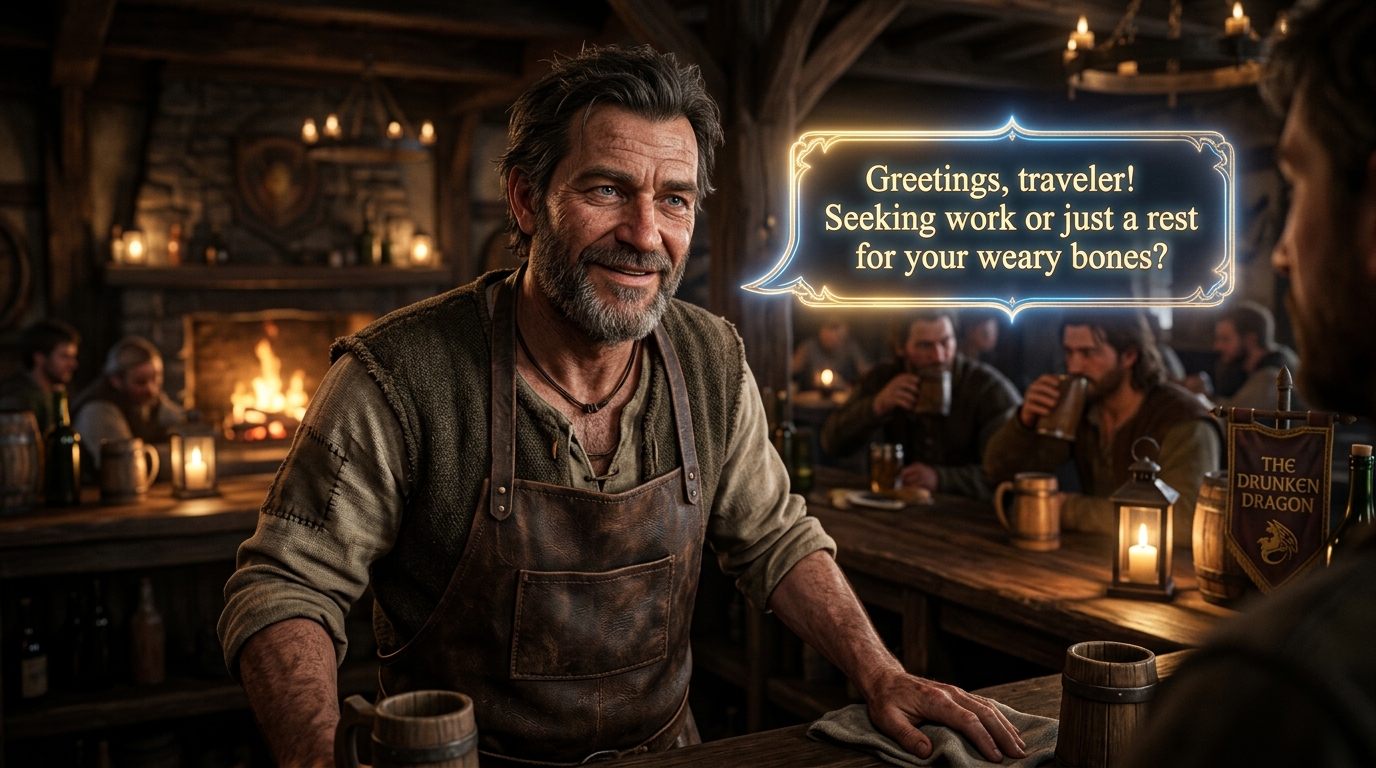
The most advanced implementation to date is in Inworld AI’s partnership with Xbox Game Studios for a 2026 RPG title. Each major NPC in the game runs on a specialized language model that understands their character background, personality traits, relationship history with the player, and knowledge of in-game events. When the player talks to an NPC, the conversation is genuinely unscripted — the NPC responds based on who they are, what they know, and how they feel about the player’s actions.
This goes beyond text generation. NPCs equipped with AI reasoning can make strategic decisions that affect the game world. A town mayor NPC might raise taxes if the player’s actions have caused economic damage to the settlement. A merchant might refuse to sell weapons to a player who used them recklessly in their shop. A companion character might leave the party if the player consistently makes moral choices that conflict with the companion’s values — not through a scripted loyalty meter but through genuine sentiment analysis of the ongoing relationship.
Technical Implementation
Running full LLMs for every NPC in real-time is computationally impossible on current hardware. Studios solve this through tiered systems. Key story NPCs use the full AI model running on cloud servers with responses streaming back in under 500ms. Secondary NPCs use smaller, locally-run models with 7B parameters that handle basic conversation and memory. Background NPCs use traditional behavior trees enhanced with occasional AI-generated dialogue for variety.
Memory is handled through a compressed knowledge graph that tracks every significant interaction between the player and each NPC. When a conversation begins, the relevant history is loaded into the model’s context window. This means a shopkeeper remembers that you tried to steal from them three game-days ago and adjusts their trust level accordingly — without the developers scripting any of those interactions.
Player Reception and Concerns
Early playtester feedback is overwhelmingly positive, with 89% of testers reporting that AI NPCs made the game world feel “significantly more alive and responsive” than traditional games. However, there are valid concerns about content moderation — language models can generate inappropriate or inconsistent content that breaks immersion or creates offensive situations. Studios address this with content filters and character-specific constraint systems, but edge cases inevitably slip through.
There’s also a creative tension: some game designers argue that authored, carefully written NPC dialogue tells better stories than AI-generated responses. The emerging consensus is a hybrid approach — major narrative beats remain hand-crafted while AI fills the spaces between plot points with reactive, personalized content that makes each player’s journey feel unique.
How This Technology Works
The underlying mechanisms of this technology have evolved significantly. Modern implementations leverage advanced algorithms and machine learning patterns to deliver results at scale.
Key Benefits and Use Cases
- Enterprise-level scalability and performance
- Real-world applications across multiple industries
- Cost-effectiveness compared to traditional approaches
- Future-proof architecture for emerging needs
Challenges and Limitations
While promising, current implementations face several hurdles including integration complexity, resource requirements, and the need for specialized expertise. Organizations must carefully evaluate their readiness before implementation.
What’s Next?
The trajectory suggests continued innovation and adoption. Industry experts predict significant advancements in the coming years as technology matures and becomes more accessible to organizations of all sizes.
Conclusion
AI-Powered NPCs Are Making Open World Games Feel Truly Alive represents an important milestone in technological evolution. As the landscape continues to shift, staying informed about these developments will be crucial for businesses and professionals alike.